Outreach News – Oasis Haven

December 2024 ended with a sponsored planned outreach to Oasis Haven Children’s home in Gauteng, Randburg. 

Donations

Special items were gathered for the girls home during December. As the new year 2025 started, we had the opportunity to take the donations to the home.

iShop Home

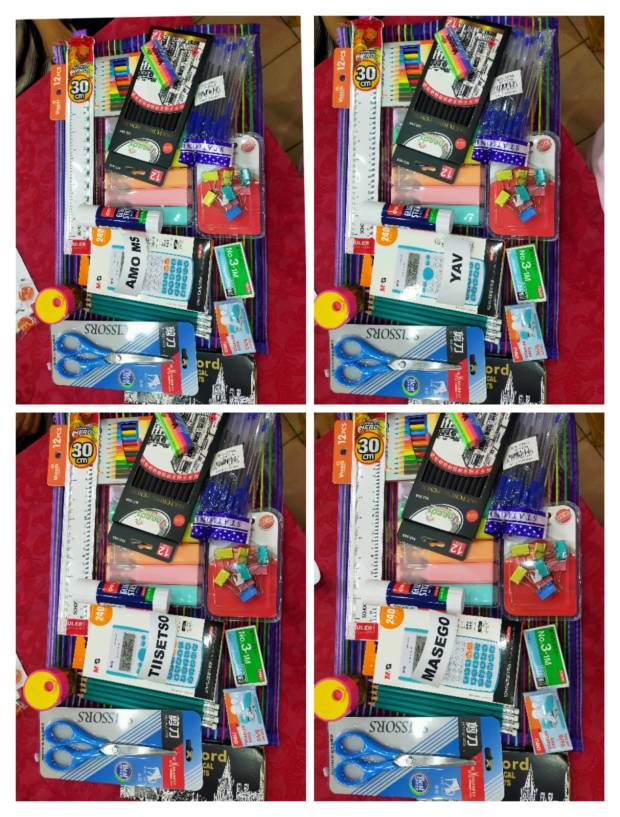
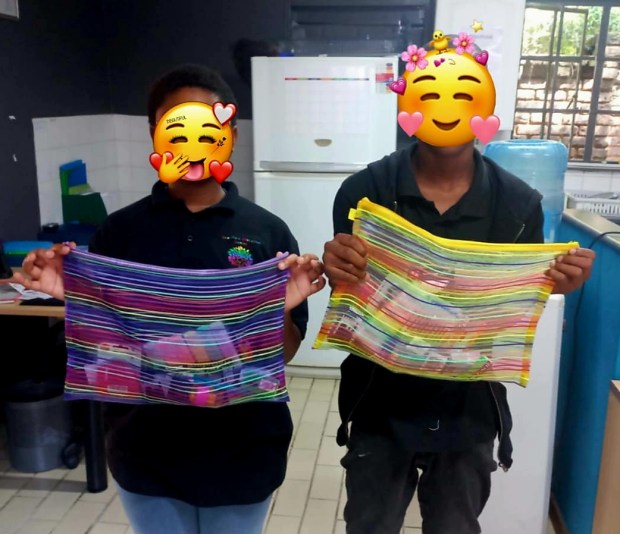
The “iShop Home” in Constantia Kloof assisted in putting together packs of stationery and backpacks for both Primary School and High School students for Oasis Haven.

Thank you to Lin, the manager of the shop, and her assistants Nikita and Nasreen for putting the packs together and in helping us get all the items we needed.

Sponsors

Many thanks to the sponsor for making it possible to get the much-needed goods for the precious children and to see a smile on their little faces.

Oasis Haven

While delivering the items to the home we were allowed to meet some of the girls. We had a lovely time getting to know them and hear what they are aspiring to. Thank you also to the two house mothers who have dedicated many years in taking care of each of them. The Lord bless you, giving you wisdom, strength, protection and continual love from His hand, as you share it with these children.

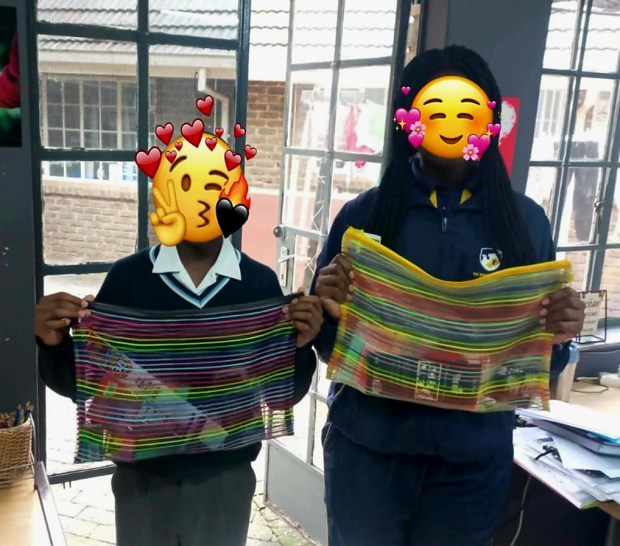
Once the school started the children were able to receive their school stationary and backpacks as they enter their new term.

To find out more about Oasis Haven and how you can help, please visit https://oasishaven.org/.

Thank you

Finally, a big thank you to Chantelle, Louise, and Johanny for their continual support to Oasis Haven for many years. It takes commitment and dedication to be able to keep your focus on a single project, investing time, love and support. Thank you for allowing Genesis Light Foundation to make a small donation to your project.

Outreach News – Hopelands Village

Genesis Light Foundation in conjunction with Shalom Sanctuary had the privilege to hold an outreach to Hopelands Village in Magaliesburg, South Africa.

Planning the outreach

During the planning of this outreach, remarkable breakthroughs occurred, with miraculous donations pouring in, and a dedicated team of volunteers inspired by the spirit of Jesus joined the effort.

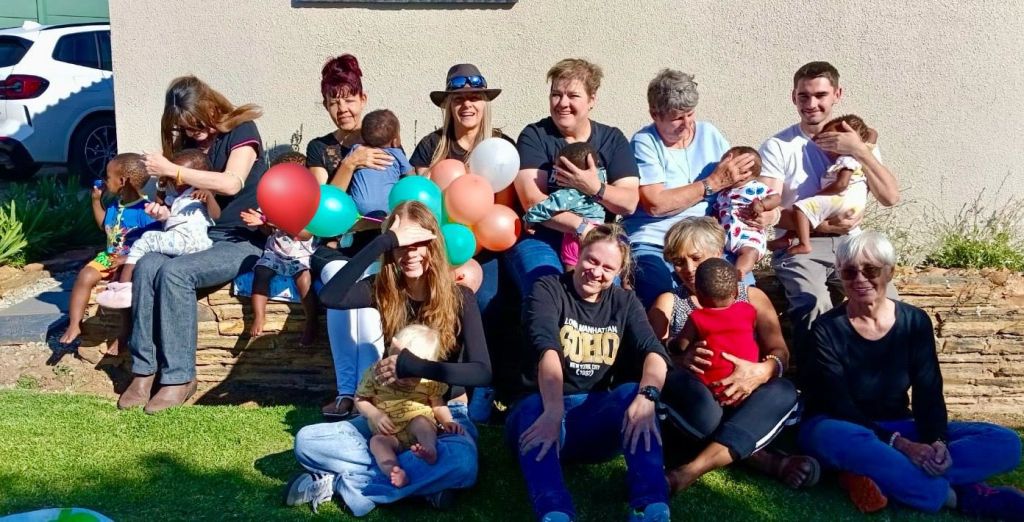
Group photo – Ria , Christine ,Trudy, Suzie, FREDA CROWIE (Organizer and Founder of Shalom Sanctuary, kneeling at the bottom of the car),  Jeanne(foreground), Ann, Sonia, Sheila, Aidan, Hailey.

We attribute all the honor and glory to God for uniting countless individuals, both near and far, to make this day a reality.

We had known donors and anonymous donors, who donated between R1000 to R10,000. There were donors who sponsored so many items. The Lord knows each name that made a precious effort to sow into the lives of each child.

The Lord ensured that the children at Hopalands were blessed directly by His hand, regardless of the challenges encountered. He also provided for the caregivers who selflessly dedicate their time and energy to nurture the babies and toddlers in the home.

On the day of the outreach

All the volunteers gathered and reached Hopelands by approximately 12:30. Tshihumbudzo, the remarkable Social Worker, greeted us with a warm smile. Alongside Mavis and another gentleman, they aided us in unloading the supplies from our vehicles. Tshihumbudzo then graciously led us on a tour of the home, offering insights and sharing heartwarming stories about the children.

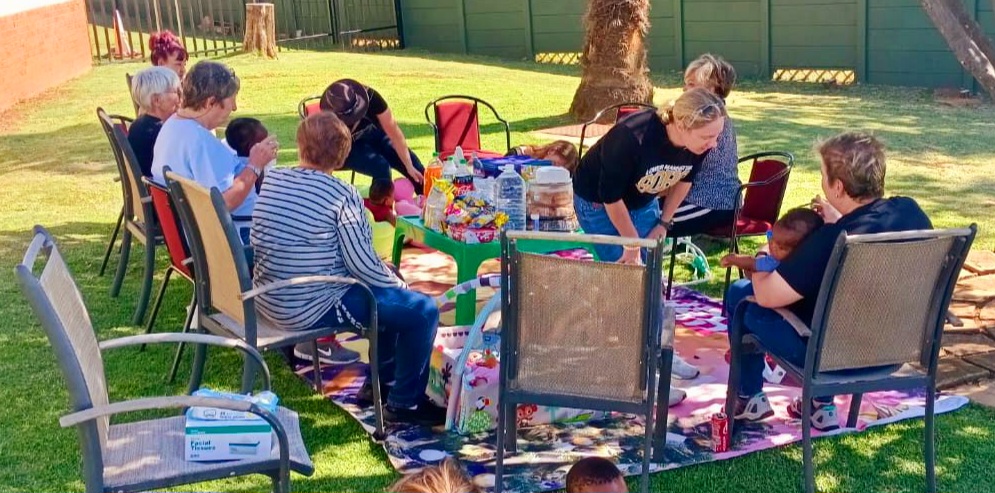
We then made our way outside to spend time with the kids and just love on them.

Outside Picnic

Enjoying balloons and bubbles

Freda made sure to make time to pray for each child and care giver of the home. Freda reminds us of every woman in the Bible, whole can turn a whole “village” around to know the power of Jesus Christ.

We were all so thankful to be a part of such a fulfilling day.

Please check out the Hopelands website to learn more about their mission. If possible, consider supporting their cause and vision. Such homes are scarce but vital.

The GREEN Project – Seedling Donation

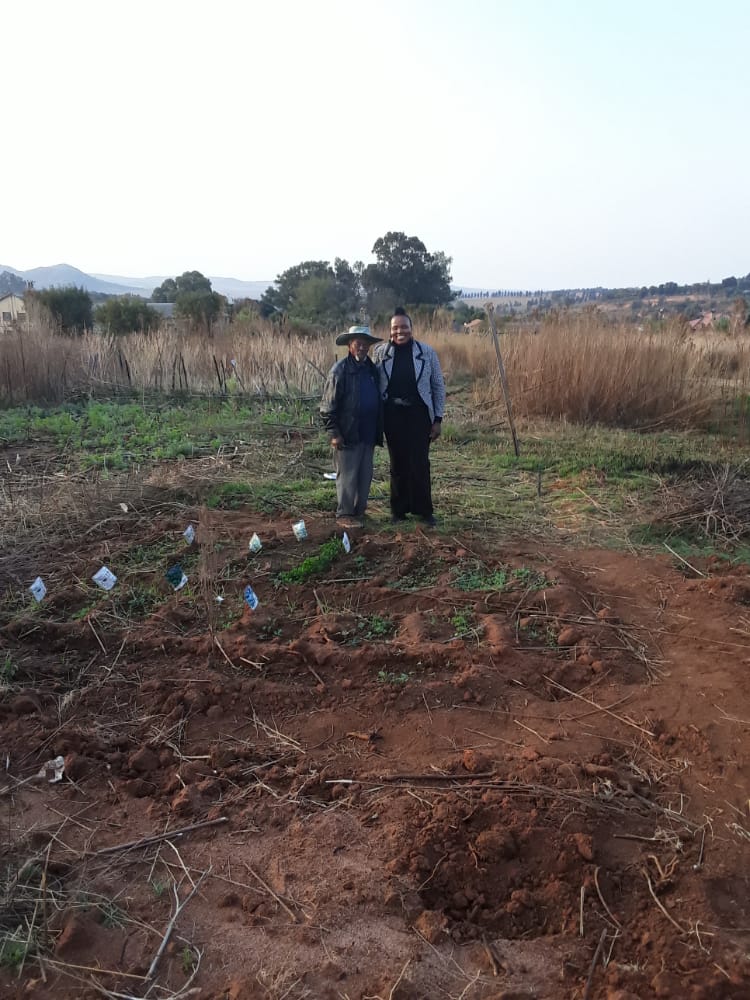
This month we were happy to sponsor some seedlings to William Makey’s garden and to Phumzile Nxumalo.


William is a pensioner who grows fruit and veg from his own garden to supply to the community. We love initiatives such as these as this supply of food to the community is important at this time. Well done to Mr Makey for his caring heart for his community!

Genesis Light Foundation would like to thank Phumzile Nxumalo for acting as mediator in this meet-up.

Losing a Daughter to Brain Cancer

(Written from a Mother’s perspective)

This is the story of my beautiful, adventurous, caring, courageous and beloved daughter Monica whom we all miss, until we meet again.

Monica was a happy child, active in sport, doing well at school and excited to finish her high school.

Monica was a healthy child and was 15 years of age at the time when she started complaining of headaches, (pain in side or behind her eyes) followed by nausea and vomiting. It escalated to almost everyday and this went on for a week.

We had her checked by a Doctor and he said it was sinuses. She continued feeling sick and a friend of mine at an Optometrist suggested that I take Monica to an Ophthalmologist to have this thoroughly checked out.

A week later I decided to take her to have her eyes tested at the Ophthalmologist. I saw the shock on his face after he finished looking in her eyes. He then shared the bad news, my daughter had bleeding on the brain and that I should take her to a hospital immediately.

At the hospital they admitted her and proceeded with tests including a MRI scan. The MRI confirmed that her brain was swollen and there were signs of bleeding on the brain. They immediately put her on a drip with medication to help bring down the swelling on the brain.

Monica had to stay in hospital for that entire week. They then decided to operate. The surgery lasted a total of four hours.

The prognosis was a Cellular Ependymoma grade 2 cancerous tumour.

They had to shave off her hair which caused emotional distress, as she had beautiful long brown hair. She felt very embarrassed about her hair.

The next step was chemo therapy. We were referred to Oncology. The people at this specific Oncology department were very good and explained the procedure to me and everything I needed to know.

Monica received radiation treatment and chemo therapy for a entire month. It was all very tiresome.

On the days she received chemo treatment she was very rundown and would not see anybody. Her face was swollen due to the intense therapy and cortisone. She felt isolated from the world. Mentally I could see this affected her, yet spiritually she was a strong person.

A few friends came to visit her but sadly her personality changed and she was not the same person she was before.

During the month of December 2005 the Oncologist was happy with the treatment and he had given her the clearance. We were all so happy that she could go back to school the following year.

She went back to school that next year, 2006, and she went on a leadership camp. Before she left to go on the camp she complained of tingling in her fingers. When she returned the symptoms seem to have worsen.

I made contact with the surgeon and he advised me that we take Monica for a CT scan. The results was not the news we wanted to hear.

The tumour was back again. We booked her in for surgery. This time it seemed worse than the first time .

Again they operated on her for four hours. When they pushed her out of theater I could see she was not doing well at all.

The results came back for the biopsy that they took during surgery. It was now called a Anaplastic Ependymoma grade 3 tumour.

This tumour caused so much damage, it effected the whole left side of my daughter’s body and she struggled to walk.

I could see the immediate effect it had on Monica’s physical and emotional life. She went into a depression. Monica could not go back to school. She landed up in a wheel chair and could not help herself to the bathroom anymore. Monica could not bath or shower on her own.

The Doctor at Oncology treated her with a tablet called Temodar for a month. Monica had to have three more sessions only as she could not have anymore radiation.

Monica battled to eat and drink on her own and she needed help 24/7.

As a mother, to watch your child go through this is devastating. I had to physically pick her up and lay her down and this took a toll on my body.

I felt there was no further support provided from a medical perspective, yet they knew Monica’s condition. There was no follow up care for both Monica or us as her family.

The last three months of her life was very difficult for me as her care giver and Mother.

The day came that she had to go to hospice, where they took care of the pain by giving her morphine. The next morning they told me Monica’s body was shutting down and going into organ failure, as the tumour was now spreading fast to the rest of her body.

On the 27 April 2007 she passed away in hospice.

I hope and pray that my precious daughter’s life story will comfort many hearts.

I was privileged to give birth to my daughter Monica and to share her last days with her. May everyone who reads my story feel motivated to share their own story about the challenges of brain cancer and loosing a child. In this way we know we are not alone in fighting this disease.

Genesis Light Foundation would like to thank Monica’s Mom, Christine Pais, for sharing her story. We deem it as a privilege to share this on our blog with all of you.

Brain Surgery Recovery – Brain Lesions

(Written from the view of the patient)

Brain Lesions, Symptoms, Causes, Treatments

Brain Lesions are a type of damage to any part of the brain due to different causes. At first these lesions may not produce any symptoms. The lesions can worsen with time, and the symptoms may become more noticeable.

Brain Lesions can be due to disease, trauma or a birth defect. They can also appear in a specific part of the brain and at times the lesions are present in a large part of the brain tissue.

How the brain works

The brain controls memory, thoughts, movements of the limbs, speech, and organ function. Each part of the brain has a specific role to play in the human body.

The brain is made up of the following sections:

1.Frontal lobe – It is the largest of the four lobes, and is responsible for the body’s motor skills, such as voluntary movement, language, and intellectual and behavioral functions. This specific area controls memory, intelligence, concentration, temper and personality.

2. Temporal lobe – Located on each side of the brain at ear level. It is important for hearing, memory and speech.

3.Parietal lobe – Is located at the center of the brain. This is where sensory information like heat, pressure and pain is received and interpreted.

4. Occipital lobe – Is located at the back of the head. The visual processing area of the brain. Is responsible for processing distance and depth perception, colour determination, object and face recognition, and memory formation.

Causes of Brain Lesions

Lesions can be caused by many different triggers. The following factors put a person at greater risk to get brain lesions:

1. Aging

2. Family history of brain lesions. – the risk increases if someone else in the family has had the same condition.

3. Vascular conditions – such as stroke, high blood pressure, and cerebral artery aneurysms. Vascular injury, or impaired supply of blood to the brain is perhaps the leading cause of lesions on the brain.

4. Trauma to the brain – which can cause internal bleeding, if not remedied, it could lead to death.

5. Infections, harmful germs or bacteria in the brain – These can cause diseases like meningitis and encephalitis (both types of swelling, inflammation of the brain).

6. Tumors – that either start in the brain (primary tumors) or by travelling there (metastatic) via blood or lymphatic vessels.

7. Autoimmune diseases – such as lupus and multiple sclerosis. These result when the body’s antibodies start to attack the body’s own tissues, such as those tissues in the brain. It affects almost all systems of the body ranging from the skin to heart, liver, muscles and brain. Brain lesions are typically a symptom of this disease.

8. Plaques – or excess build-up of abnormal protein in the brain tissue or in the blood vessels, slowing down the supply of blood to the brain, as seen in clogged arteries. Alzheimer’s disease – a condition that affects a person’s memory, thinking and behavior, can develop because of plaques in brain tissue. Multiple sclerosis can also cause plaques in the brain secondary to damaged tissue.

9. Exposure to radiation or certain chemicals – this will increase the chance of tumors and lesions in the brain.

10. Toxins – such as excessive amounts of alcohol, drug abuse, or cigarette smoke in the body. Other toxic substances are elevated levels of ammonia and urea in the body due to kidney issues – (it can affect brain function but may not show discrete brain lesions).

11. Poor diet – especially eating foods with excess fats and cholesterol.

Symptoms of Brain Lesions

Symptoms can vary depending on the type of lesion, its extent, and where it is found. Everyone is different and symptoms will vary in individual cases. Many lesions, however, may be in areas of the brain that don’t produce symptoms.

Typical symptoms may include:

Headaches, this is usually the first symptom to appear with brain lesions.

The pain appears suddenly and worsens as time passes. Over-the-counter medicine usually offers no relief for the pain.

Nausea and possible vomiting.

Impaired movement, if the lesion affects the part of the brain responsible for motor skills.

Lack of concentration, the inability to make quick decisions, and agitation.

Delayed speech, blurred vision,and imaired hearing.

Involuntary movements of body parts, which may progress to convulsions in severe cases.

The following symptoms are specific to lesions of the frontal lobe:

Absence of sense of smell, usually limited to one nostril.

Speech impairment.

Loss of motor activity on one or both sides of the body.

Behavioral changes.

The following symptoms are specific to lesions of the temporal lobe:

  • A change in behavior and emotions.
  • Disruption in the sense of smell, taste, and hearing.
  • Language and speech disorders.
  • Problems with field of vision.
  • Forgetfulness and the inability to focus.

The following symptoms are specific to lesions of the parietal lobe:

  • Loss of sensations like touch.
  • Astereognosis, or the inability to identify things placed in the hand.
  • Weakening of language development.

The following symptoms are specific to lesions of the occipital lobe:

  • Change in vision, partial and word blindness
  • Color agnosia
  • Akinetopsia (Motion Blindness)
  • Simsimultanagnosia (Balin’s syndrome)

Tests to diagnose brain lesions

After a physical examination from your Neurologist, he or she may also recommend that you should get a CT or CAT scan, or MRI (Magnetic resonance imaging)

These tests will help find the location of the lesion and can help assess the extent of damage that it caused the brain.


Brain Surgery Recovery – Side Effects After Brain Surgery

(Written from the view of the patient)

Coping With Physical Side Effects After Brain Surgery

Patients can experience different changes to their physical health after removing a brain tumor during surgery. We are going to touch on some points on how to monitor and cope with these effects.

The Importance Of Communication

Not all doctors communicate as they should. The patient and family members need to take it upon themselves to keep this communication open and honest as possible. Recovering brain patients should communicate regularly with their doctor about how they are feeling. It is important to let them know about any new side effects or changes in existing side effects. If the doctor knows how you are feeling, they can find ways to relieve or manage your side effects to help you feel more comfortable and potentially keep any side effects from worsening.

Rehabilitation

Rest plays a crucial role in recovering from brain surgery. Avoid stressful environments during recovery, as it can hamper the recovery process.

Rehabilitation may be recommended, and this could mean any of a wide range of services, such as physical therapy, career counseling, pain management, nutritional planning, and/or emotional counseling.

The goal of rehabilitation is to help people regain control over many aspects of their lives and remain as independent and productive as possible.

Try Keeping Personal Health Records

It would be helpful to keep track of your side effects so it is easier to explain any time you have to communicate with your doctor.

Brain patients need to develop a personalized follow-up care plan for themselves. They need to discuss any concerns they have about their future physical or emotional health with their doctor. Some patients continue to see their neurologist / oncologist, while others transition back to the care of their family doctor or another health care professional.

If a doctor who was not directly involved in the patient’s care, will lead the patient’s follow-up care, the patient needs to share their treatment summary and care plan with the doctor and with all future health care providers. Details about the patient’s treatment are very valuable to the health care professionals who will care for them throughout their lifetime.

Family, friends, collogues and people who are generally in contact with the patient should also take note of any physicals or psychological changes that may occur. It is important to investigate new signs in a logical and calm approach.

Monitoring Recurrence

Individuals need to keep in mind that their body knows exactly what is happening to it. So you need to learn how to listen to it. If you suspect anything is not quite as it should be, then investigate. Example, if you are recently experiencing fatigue or daily headaches and nausea which you had not had for quite a while, or it is a new symptom, have it checked out. Or, if you still have an existing tumor that causes these effects, don’t ignore it. It may be a recurrence of the same tumor or a different kind of tumor.

During follow-up care, a doctor familiar with the patient’s medical history can give them personalized information about their risk of recurrence. Their doctor will ask specific questions about their health.

People need to be routinely monitored for new symptoms with regular CT and MRI scans as well as physical examinations. If radiation therapy was given to the pituitary gland, evaluations of hormone levels may be needed. The frequency of the checkups and scans needed for follow-up care varies widely from patient to patient.

The anticipation before having a follow-up test or waiting for test results can add stress to the patient or a family member.

Being Considerate

At times patients are misunderstood. Incorrect assumptions could also be made in regards to what people think may be wrong with the patient. This usually occurs through lack of understanding. The individual may struggle to express their thoughts and feelings correctly. Or they cannot correctly express their physical challenges in a normal way.

It is important to note how to interact with the patient long-term. Find a way for them to communicate and express themselves in a comfortable way. In most cases they feel rejected, depressed, fearful, emotional, misunderstood, isolated, and undermined. They will even worry about their career being impacted by the physical effects after surgery.

Brain Surgery Recovery – Meningiomas

(Written from the view of the patient)

Assisting People with Meningiomas

An individual going through brain surgery finds the actual surgery quite daunting. However, the diagnosis of a Meningioma and the care after surgery can be just as challenging. Even though most Meningiomas are not cancerous, only a small amount of Meningiomas are cancerous. Either way, they do pose challenges regarding lifestyle changes and care after surgery in numerous ways.

Caregivers play a vital role in taking care of these individuals. These caregivers can be family members, friends, or professional caregivers. The caregiver can provide physical, practical, and emotional support to the patient, even if they live far away.

There are a couple of responsibilities these caregivers may need to do on a daily or as-needed basis:

  • Communicating with the doctors and health care personnel
  • Giving support and encouragement
  • Managing medical appointments
  • Driving to and from appointments
  • Assisting with basic shopping and preparing meals
  • Giving medications
  • Helping manage symptoms and side effects
  • Helping with household chores
  • Handling medical insurance and bills and general paying of monthly bills

Help the patient find out more about their possible side effects after surgery and treatment:

  • What will be the most likely side effects to expect?
  • When are they likely to happen?
  • What can we do to prevent or relieve them?

Before surgery the patient should find out from their doctor how much care they may need at home and with daily tasks during and after treatment. Also find out about possible side effects during and after treatment. This will be crucial information after surgery.

When the patient goes to see the doctor after surgery, make sure they share about any side effects experienced during treatment and afterward. (Even if you do not think the side effects are serious)

Brain Surgery Recovery – Information On Meningiomas

(Written from the view of the patient)

Information On Meningiomas

Meningioma is usually a slow-growing tumor that forms on the surface of the brain. The spinal column and brain make up the central nervous system, which controls many of the vital functions of the body such as movements, senses, and thought processes.

Usually healthy cells change and grow out of control, often forming a mass. A tumor can be cancerous or benign. A benign tumor can grow but will usually not spread. A Meningioma may cause significant symptoms if it grows and presses on the brain or spinal cord. It starts in the meningeal tissues, which are thin membranes that surround the brain and spinal cord. There are 3 meningeal layers:

  • The dura mater.
  • Arachnoid.
  • Pia mater.

The meninges protect the brain and spinal cord and help the cerebrospinal fluid circulate between the arachnoid and pia layers.

Around 80% of meningiomas are benign. The remaining 20% are either called atypical because they have an increased risk of returning after treatment or, rarely, malignant. Malignant meningioma may be called anaplastic.

The different types of meningioma are:

  • Sphenoid meningioma – The sphenoidal ridge is located behind the eyes. This type makes up 20% of meningiomas. Symptoms of sphenoid meningioma:
    • Loss of feeling or numbness in the face
    • Loss of patches of sight within the field of vision, blindness, double vision
    • Headaches
  • Olfactory groove meningioma – This type of meningioma occurs near the nerves that connect the brain to the nose. It makes up 10% of meningiomas. Symptoms of olfactory groove meningioma:
    • Loss of smell
    • Loss of patches of sight within the field of vision, blindness, double vision
    • Headaches
  • Posterior fossa meningioma – Posterior fossa meningioma develops at the back of the brain. It makes up 10% of all meningiomas. Symptoms of posterior fossa meningioma:
    • Sharp pains in the face, facial numbness, and spasms of the facial muscles
    • Loss of hearing
    • Difficulty swallowing
    • Trouble walking
  • Intra-orbital meningioma – This type of meningioma develops in or around the eye sockets. It accounts for less than 10% of meningiomas. Symptoms of intra-orbital meningioma:
    • Bulging of the eye
    • Loss of vision
  • Falx and parasagittal meningioma – The falx is a membrane that sits in a groove between the left and right sides of the brain. It contains a large blood vessel and protects the brain. Parasagittal meningioma occurs at the top of the falx just on the inside of the skull. These are the most common types of meningioma and make up about 25% of all meningiomas. Symptoms of falx and parasagittal meningioma:
    • Leg weakness
    • Headaches
    • Seizures
  • Convexity meningioma – This type of meningioma occurs on the outer surface of the brain. It makes up about 20% of meningiomas. Symptoms of convexity meningioma:
    • Seizures
    • Headaches
    • Personality or memory changes
  • Suprasellar meningioma – Suprasellar meningioma occurs next to the sella turcica. This is an area at the base of the skull in the center of the skull where the pituitary gland sits. This type makes up 10% of all meningiomas. Symptoms of suprasellar meningioma:
    • Swelling of the optic disk, which is in the retina of the eye where nerve fibers come together to form part of the optic nerve.
    • Loss of patches of sight within the field of vision, blindness, double vision.
  • Spinal meningioma – Spinal meningioma usually occurs in the spine at chest level and may push against the spinal cord. It can cause pain radiating around the chest wall, bladder trouble, or weakness or numbness in the legs. This type makes up less than 10% of all meningiomas. Symptoms of spinal meningioma:
    • Back pain
    • Pain in the limbs or chest
    • Numbness and weakness or the arms and/or legs
    • Difficulties with bodily functions of the bowel or bladder
  • Intraventricular meningioma – Intraventricular meningioma occurs in the chambers that carry fluid throughout the brain. This type makes up about 2% of all meningiomas. Symptoms of intraventricular meningioma:
    • Personality or memory changes
    • Headaches
    • Dizziness

Some general symptoms to look out for regarding a tumor pressing on the brain or spinal cord:

  1. Headaches, which may be severe and may worsen with activity or in the early morning.
  2. Personality or memory changes.
  3. Nausea or vomiting.
  4. Blurred vision.
  5. Seizures.
  6. Sensory – Change in sensation, vision, smell, and/or hearing without losing consciousness.
  7. Complex partial – May cause a loss of awareness or a partial or total loss of consciousness.

Symptoms of meningioma can be caused by:

  • A tumor pressing on the brain or spinal cord, stopping the normal functioning of a specific part of the brain.
  • A tumor pressing on nearby nerves or blood vessels.
  • If the meningioma involves nearby bone, it may cause the bone to expand.

In general, a meningioma is classified into 1 of 3 grades:

  • A grade I tumor grows slowly.
  • A grade II tumor grows more quickly and is often called atypical meningioma.
  • A grade III tumor grows and spreads very quickly and is often called anaplastic or malignant meningioma.

The risk factor of developing a meningioma tumor are:

  • Age – Meningioma is most common in adults age 65 or older, but it can occur at any age. Meningioma is rare in children.
  • Gender – Women are about twice as likely as men to develop noncancerous meningioma. However, men and women are equally likely to be diagnosed with cancerous meningioma.
  • Radiation exposure – Radiation to the head may increase a person’s risk of developing meningioma. Common sources of radiation that can cause meningioma include accidental exposure to radiation and radiation therapy as a treatment for ringworm on the scalp, called tinea capitis.
  • Genetic disorders – People with a hereditary syndrome called neurofibromatosis type 2 (NF2) have a higher risk of developing meningioma. People with NF2 are also more likely to develop cancerous meningioma or more than 1 meningioma.

Some physical side effects from treatment:

  • Steroids – Most people with a brain tumor will need steroids to help relieve swelling of the brain. You will most likely receive steroids when you are first diagnosed, before and after surgery, before and after radiation therapy, and if you have an advanced brain tumor. Steroids may cause:
    • stomach irritation
    • weight gain
    • increased appetite
    • water retention
    • difficulty sleeping
    • changes in mood
  • Anti-seizure medication – A person with a CNS tumor may experience seizures. This type of medication helps to control how often a person has seizures.
  • Shunt – If fluid begins to build up in the brain, a surgeon may need to place a device called a shunt to bypass or move the fluid or drain the excess fluid.
  • Antidepressant medication – Depression can be common in people with a CNS tumor, but it is often undiagnosed. However, not all people with a CNS tumor are depressed.

It is important for the patient of tracking side effects – we will cover more about this at a later stage.

Remission and chance of recurrence

A remission is when the tumor cannot be detected in the body and there are no symptoms. It may be temporary or permanent.

If the tumor returns after the original treatment, it is called a recurrent tumor. It may come back:

  • Local recurrence – In the same place
  • Regional recurrence – Nearby
  • Distant recurrence – In another place

The most common treatment for recurrent meningioma is:

  • Additional surgery.
  • If surgery cannot be done, radiation therapy is generally used.
  • What is also quite helpful is to still receive care to manage the symptoms caused by the tumor. Symptom management is always important because the symptoms of meningioma can interfere with a person’s quality of life.

People with a recurrent tumor often experience emotions such as disbelief or fear. They are encouraged to talk with the health care team about these feelings and ask about support services to help you cope.

Recovery from meningioma is not always possible. If the tumor cannot be cured or controlled, the disease may be called advanced or terminal. This diagnosis is stressful, and for many people, advanced meningioma is difficult to discuss. However, it is important to have open and honest conversations with your health care team to express your feelings, preferences, and concerns. Making sure a person is physically comfortable, free from pain, and emotionally supported is extremely important.

People who have advanced disease and who are expected to live less than 6 months may want to consider hospice care. Hospice care is designed to provide the best possible quality of life for people who are near the end of life. Hospice care options include:

  • Hospice care at home.
  • Hospice center.
  • Nursing care and special equipment can make staying at home a workable option for many families.

Brain Surgery Recovery – Psychological Challenges

(Written from the view of the patient)

Psychological Challenges Faced By Brain Patients

After surgery, brain patients experience different kinds of side effects or changes to your body, whether it be from the surgical procedure or treatment there-after. It also affects how they feel. Each person is different. However, we will touch on some of the general challenges.

1. Brain patients experience frustration and agitation for the following reasons:

  • When it seems to the patient as though their thoughts and cares are undermined by others.
  • Being treated by others as though they have no real understanding, because it is presumed that this is how they are after a brain operation.
  • The person realizes their body is slower and weaker than before, while their mind is ready and wanting their body to function normally.
  • When the person want to speak and verbalize their thoughts, but cannot physically speak at all, or are battling to speak properly.
  • When the person thinks they have verbalized what they were thinking, but are made aware they had not done so properly.
  • The patient is disappointed that their body is letting them down – not functioning normally. They experience vulnerability and may act out on it in different ways.
  • Fearful of being taken advantage of in a physical or psychological way.
  • The person tends to worry about the future, about family and friends.

Keep in mind –  Not all brain patients after surgery loose their understanding and cognitive abilities. So be aware of how you speak and treat all brain patients. The body may not respond as normal while the brain function is their. Have empathy. People should be treated with dignity and respect.

2. Brain patients think a lot about the stark realities such as:

  • Uncertainty about the future. How can they plan if they don’t know if they have a future. At this time they have already had to put plans on hold.
  • Will the tumors or cancer come back?
  • Fear about the side effects, like strokes or epilepsy. Fear about treatment side effects.
  • The surgery might be unsuccessful or the treatment is unsuccessful.
  • Fear and anxiety of the tumor or cancer reoccurring.
  • Fear of dying or losing their loved ones. Is this the end? And if it is, how do they deal with their own mortality?
  • Who will take care of the loved ones left behind?
  • Will they gain full function of their body and brain.
  • Their relationship with God is challenged. Do they still trust God for their lives?
  • Will they end up in a step-down facility?
  • Financial strain after surgery as the person may face extra costs.
  • They wonder if they will ever be able to work again. If not, how will they survive financially?

3. The person can experience extreme emotion and sensitivity.

4. Feeling of paranoia and anxiousness are also common.

5. Facing the reality that their body has taken a knock and appears weak. They easily get tired and need to rest a lot.

6. Their night and day activity switches – they sleep during the day and want to be active in the evenings.

Some helpful tips for both the brain patient and those who are supporting them:

  • Remain flexible and accept that plans may change.
  • Learn more about coping with the fear of the treatment’s side effects.
  • Understanding what your treatment options are today and in the future may help you know what to expect next.
  • Learn more about coping with the fear of recurrence.
  • Feeling fear is natural when you think about dying or losing someone you love. It’s normal to struggle with a fear of death. Reach out to someone or a counsellor if the feeling for fear becomes stronger.
  • Acknowledging all the “unknowns” may make you feel anxious, angry, sad, or afraid. You may even have physical symptoms from these feelings. For instance, it may cause sleeping problems or make it harder to focus at work. Learning to manage the uncertainty is an important part of staying healthy.
  • Recognize that there are situations you can control and those you cannot. As hard as it sounds, many people find it helpful to let go of those things that they cannot change and focus on their reaction to events.
  • Talk with someone you trust if your feelings of uncertainty are affecting your daily life. They can help you find the resources you need to feel better.
  • Talk with friends and family members. Tell them how you are feeling and how they can help.
  • Learn as much as you can about the diagnosis you were given and its treatment. Having the right information can help you know what to expect.

There is also an upside to the psychological state for brain patients. They do experience positive emotions and feelings of excitement about the following:

  • Being grateful to have a second chance at life.
  • Being grateful to see friends and family again.
  • Having spiritual encounters.
  • Appreciation of life and people.
  • Looking forward to spending time with loved ones.
  • Looking forward to doing new things they may not have done before.

It is important to note that sometimes these individuals find it difficult to express how they feel to their loved ones. In such situations they may find it easier to talk to a counsellor, pastor, oncology social worker, or a confidant they feel comfortable with sharing.

Brain Surgery Recovery – Induced Comas

(Written from the view of the patient)

What Brain Patients Should Know About Induced Comas

An induced coma is a normal process that follows most brain surgeries. At times it is also referred to as a medically induced coma. However, some patients may neglect or avoid asking the doctor before surgery what an induced coma entails. This next section may provide some useful insights.

A medically induced coma is a temporary coma or deep state of unconsciousness where the brain will be rendered inactive. During major brain or neurosurgery, medically induced comas are used to protect the brain. The coma is a controlled dose of as anesthetic drug. The coma is reversible.

Usually, a patient would be put in a medically induced coma after brain surgery when there is major trauma to the brain causing brain swelling. This gets the brain to be quiet and give it vital time to rest and heal after the surgery. Normally after brain surgery the brain swells, putting pressure on the brain. This pressure reduces blood flow and oxygen flow to the brain, which can cause brain tissue damage. The induced coma decreases electrical activity and metabolic rate in the brain.  

The anaesthesiologist is responsible for the medically induced coma. They consult with the patient before surgery, are present during surgery and assist after surgery.

Once a patient is placed into an induced coma, the following happens:

  • The patient is likely to completely lose respiratory drive and require mechanical ventilation – placed on life support.
  • Gut motility is reduced.
  • Hypotension can complicate efforts to maintain cerebral perfusion pressure and often requires the use of vasopressor drugs. 
  • The completely immobile patient is at increased risk of bed sores, infection from the ventilator, as well as infection from catheters.

The patient in most cases will be in a medically induced comas for a short period of time. Doctors typically use the procedure for a couple of days or for as long as two weeks. It is rare for medically induced comas to last for longer periods.

Complications that can occur from medically induced coma include:

  • Infection, particularly pneumonia and other lung infections.
  • Blood clots.
  • Heart problems.
  • Pressure sores and weakness from immobility.
  • Vivid nightmares and hallucinations.

A medically induced coma eliminates pain. However, the underlying brain treatments may involve pain and discomfort once consciousness returns.

Brain patients are usually brought out of an induced coma very slowly. Signs of coming out of a coma include being able to keep their eyes open for longer and longer periods of time and being awakened from “sleep” easier—at first by pain (pinch), then by touch (like gently shaking of their shoulder), and finally by sound (calling their name). There are different states identified as the patients comes out of the induced coma.

During the unresponsive state the patient does not respond consistently or appropriately. You may hear this stage referred to as a coma. You may notice different movements in the patient. A reflex that causes straightening of the arms and legs. A reflex that causes bending of the arms and straightening of the legs. Random movement of the arms and legs for no specific reason.

During the early response state the patient starts to respond to things that are happening to them. The responses will be more appropriate but may be inconsistent or slow. The patient will start to have localized responses and follow simple commands. These are appropriate movements by the patient in response to sound, touch, or sight. Turning toward a sound, pulling away from something uncomfortable, or following movement with the eyes are examples. Opening and closing eyes, sticking the tongue out, or gripping and releasing hands when asked are examples.

At the agitated and confused state, the patient is responding more consistently. The patient will be confused about where he or she is and what has happened. The patient will have difficulty with memory and behavior. The patient’s confusion may lead to yelling, swearing, biting, or striking out. Do not be alarmed if soft wrist and ankle ties are used to protect the patient and prevent tubes from being pulled out. It is very important to remember this stage is a step toward recovery and this behavior is not intentional.

The higher level responses are seen when a patient completes routine tasks without difficulty, but still needs help with problem solving, making judgments and decisions. The patient may not understand his or her limitations and safety is a big concern. Unusual or high stress situations make activities more difficult. The patient may seem more like the person you knew before. However, there may be personality changes.

How long does it take for someone to wake up from induced coma? Well, normally a patient in a medically induced coma would wake up over the course of a day, or at times it can take nearly a week to wake up. It is important to know each patient is different.

Let us look at what patients need to expect during the recovery process after the coma:

  • The length of time it takes to recover from a medically induced coma depends on several factors. This includes the underlying brain trauma and how long the coma lasted.
  • In general, the longer the coma is necessary, the more time it will take to regain functions. 
  • Age.
  • The length of time since surgery.
  • Past mental and physical health of the patient are factors used when predicting the extent of recovery.